


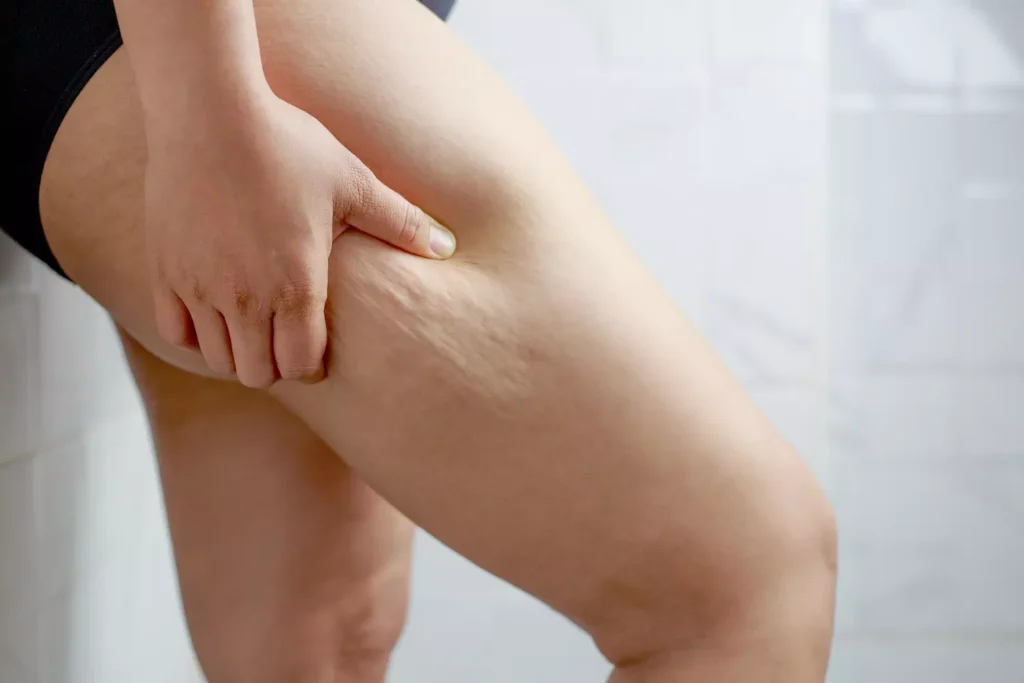
Lipedema is a chronic illness that remains largely underdiagnosed in Québec, despite its profound impact on the quality of life of thousands of women. Often mistaken for obesity or a simple cosmetic problem, lipedema is in fact a medical condition characterized by an abnormal and symmetrical accumulation of fat, mainly in the legs, hips, thighs and sometimes the arms.
Unlike typical body fat, this pathological adiposity is resistant to diet and physical exercise, leading to great misunderstanding from both loved ones and, at times, even the medical community.
A Disease That Mainly Affects Women
Lipedema affects almost exclusively women and generally appears during major hormonal changes: puberty, pregnancy or menopause. This hormonal link partly explains why the disease has long been minimized or associated with “normal” weight gain. In Québec, as elsewhere, many women go years without an accurate diagnosis, accumulating frustration, pain and guilt.
Difference Between Lipedema, Obesity and Lymphedema
It is essential to distinguish lipedema from other commonly confused conditions. Unlike obesity, the upper body may remain slim while the lower body becomes disproportionately enlarged. And unlike lymphedema, lipedema does not affect the feet in its early stages and is often accompanied by extreme sensitivity to touch and spontaneous bruising.
Insufficient Medical Recognition
In Québec, the official recognition of lipedema as a chronic disease is still limited. This lack of awareness results in diagnostic delays that may exceed 10 to 15 years. During this period, the disease progresses, symptoms worsen and treatment options become more complex.
The Symptoms of Lipedema: Pain, Fatigue and Silent Suffering
Lipedema is not merely a change in body shape. It is a painful, progressive and deeply disabling condition whose symptoms affect both body and mind.
Chronic Pain and Hypersensitivity
One of the most striking signs of lipedema is pain. Affected areas are often sensitive or even painful at the slightest touch. Clothing pressure, massage or even a gentle caress can become unbearable. This chronic pain is often ignored or minimized, reinforcing the sense of invisibility felt by many women living in Québec.
Fatigue and Heaviness in the Limbs
A feeling of heavy legs is common, especially at the end of the day or during hot weather, which is frequent during Québec summers. This heaviness is accompanied by intense fatigue, making daily activities difficult and reducing mobility over time.
Bruising and Inflammation
Women with lipedema bruise easily, sometimes without any obvious impact. This capillary fragility is linked to chronic inflammation of the fatty tissue. As the disease progresses, inflammation intensifies, encouraging fibrosis and worsening pain.
Major Psychological Impact
Living with lipedema also means facing deep psychological distress. The progressive deformation of the body, the gaze of others and hurtful comments can lead to anxiety, depression and social isolation. In Québec, where body image is highly valued, this psychological suffering is particularly profound.
Lipedema in Québec: Medical Wandering and Inequalities in Care
Despite the scale of the problem, lipedema remains largely underestimated within Québec’s healthcare system. Patients often have to fight to be heard, understood and treated appropriately.
A Late and Complex Diagnosis
Diagnosis is mainly based on clinical examination, patient history and recognition of specific signs. However, many healthcare professionals are not trained to recognize the disease. The result: misdiagnoses, inappropriate advice and a loss of trust in the medical system.
Limited Medical Coverage
In Québec, specific treatments for lipedema are only partially covered by public health insurance. Compression garments, manual lymphatic drainage sessions and specialist consultations represent a significant financial burden, creating inequality in access to care.
Stigmatization and Blame
Many women with lipedema are criticized for their appearance and accused of lacking discipline or willpower. This stigma, still present in Québec, increases psychological suffering and delays appropriate treatment.
The Role of Support Groups and Associations
In response, Québec-based support groups and associations are emerging to inform, accompany and defend the rights of people with lipedema. These communities play an essential role in raising awareness and gradually improving recognition of the disease.
Treating Lipedema: Between Conservative Measures and Surgery
Although there is currently no definitive cure for lipedema, several approaches can relieve symptoms, slow disease progression and improve quality of life.
Recommended Conservative Treatments
Conservative treatments are the first line of care. They include wearing medical compression garments, manual lymphatic drainage, suitable physical activity (such as swimming or aqua-walking) and an anti-inflammatory diet. These measures help reduce pain and inflammation but do not eliminate pathological fat.
The Role of Specialized Liposuction
Specialized liposuction for lipedema—such as tumescent or vibration-assisted liposuction—is now considered the most effective option for reducing abnormal fat deposits long-term. Unlike cosmetic liposuction, this procedure has a functional and therapeutic goal.
Limited Access to Surgery in Québec
In Québec, access to lipedema-specific liposuction is still restricted and is rarely covered by public insurance. Many patients turn abroad for specialized care, which represents a major financial and emotional investment.
The Importance of a Global Treatment Approach
Managing lipedema requires a multidisciplinary strategy involving physicians, physiotherapists, nutritionists and psychologists. A comprehensive approach improves physical symptoms while also restoring self-esteem and quality of life.
Restoring Hope for Women With Lipedema in Québec
Despite the challenges, there is hope for women living with lipedema in Québec. Awareness is growing, research is advancing and personal testimonies are multiplying—helping to break the silence surrounding this invisible disease.
Increasing Medical Recognition
More and more healthcare professionals in Québec are becoming interested in lipedema and receiving training in its management. This evolution suggests broader recognition and better access to care in the future.
The Power of Information and Education
Educating patients, doctors and the general public is essential to combat misconceptions. Better understanding leads to earlier diagnosis, appropriate treatment and reduced stigma.
Testimonies and Resilience
Women with lipedema demonstrate remarkable resilience. By sharing their stories, they help build essential solidarity and promote recognition of the disease across Québec.
Towards a Better Quality of Life
With early diagnosis, appropriate treatment and compassionate support, it is possible to live better with lipedema. Restoring hope means acknowledging suffering, valuing courage and working toward a fairer and more inclusive medical future.

 Do not hesitate to fill out the online quote so that you can obtain all the necessary details concerning the prices of cosmetic surgery Tunisia.
 MedEspoir Canada offers many alternative aesthetic treatments to surgery such as Botox injection and epidermal laser.
 Before each cosmetic surgery in Tunisia you will have one or more medical consultations with your anesthesiologist.